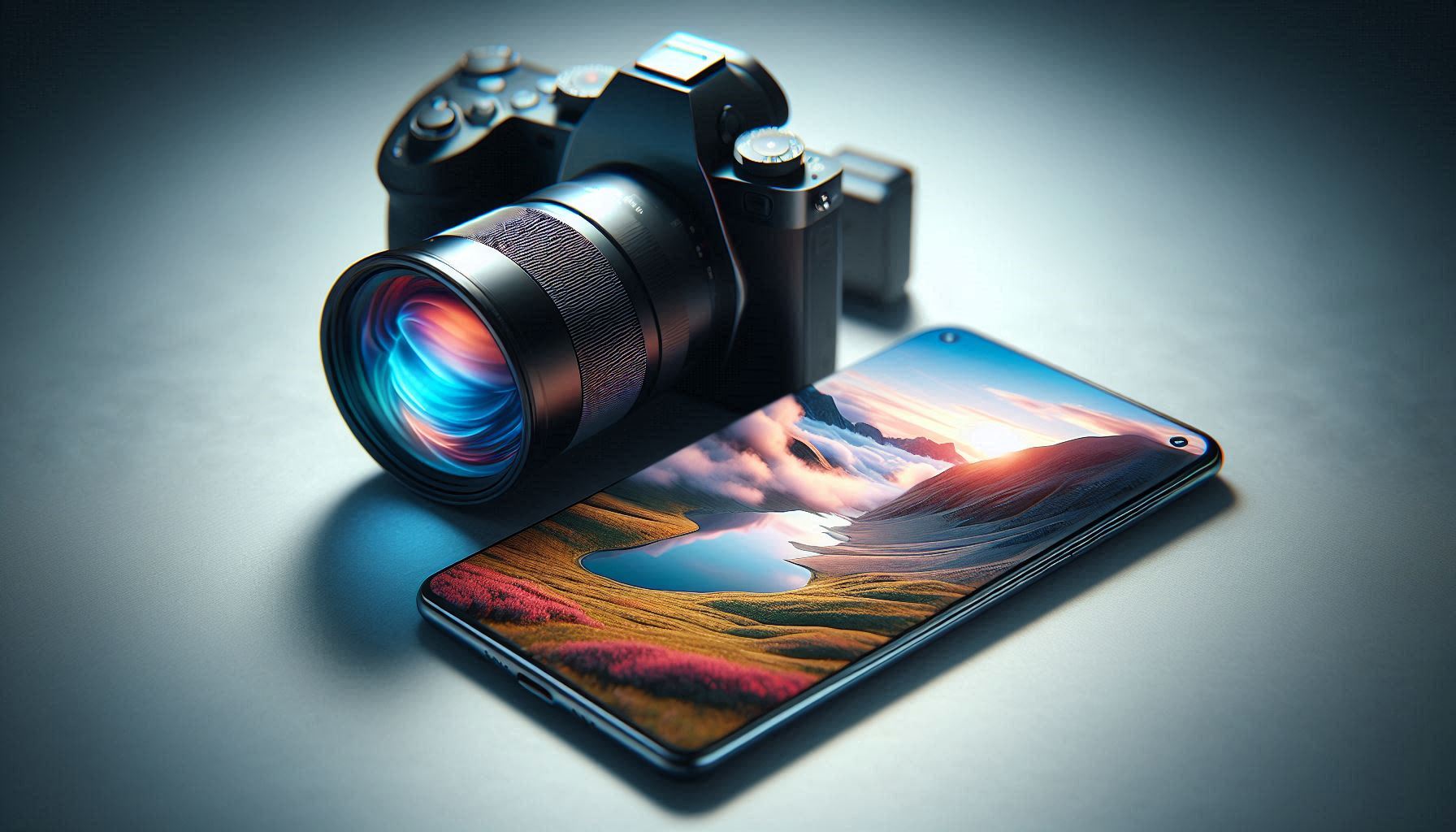
Smartphone cameras have improved at a breathtaking pace. Thanks to AI-powered photography, larger sensors, and advanced image processing, today’s smartphones can produce images that rival dedicated cameras in many everyday situations.
But the big question remains:
Are smartphone cameras good enough to replace DSLRs — or do professional cameras still have a future?
Let’s explore the reality behind the hype.
📱 How Smartphone Cameras Became So Powerful
Modern smartphone photography is driven less by hardware and more by computational photography. Instead of capturing a single image, phones now take multiple frames and intelligently merge them using AI.
Key advancements include:
-
AI-based HDR and noise reduction
-
Scene detection and automatic tuning
-
Large sensors (up to 1-inch in premium phones)
-
Ultra-high resolutions (108MP–200MP)
-
Instant editing and sharing
Many manufacturers are even redesigning camera hardware to stand out — such as the new camera bar layouts seen in Sony’s latest Xperia smartphones
👉 https://techadobe.com/post/Sony-latest-Xperia-smartphone-joins-the-trend-of-camera-bars-
For most users, this means:
-
Excellent photos with minimal effort
-
Ideal for social media, travel, and daily use
-
No need to carry heavy camera gear
🤖 AI Photography: The Smartphone’s Biggest Advantage
Artificial Intelligence is the single biggest reason smartphones have closed the gap with DSLRs.
AI enables:
-
Multi-frame image stacking
-
Advanced night photography
-
Portrait background separation
-
Real-time color and exposure correction
These AI capabilities are part of a much larger trend shaping modern devices — similar to how AI is being deeply integrated into smartphone ecosystems, as seen in Apple’s upcoming AI roadmap
👉 https://techadobe.com/post/Apple-Siri-AI-Launch-Timeline-for-2026-—-What-You-Can-Expect
AI is also influencing hardware beyond phones, including wearables and smart devices
👉 https://techadobe.com/post/2025-was-the-year-ai-took-over-wearables-mdash-smart-glasses-pendants-amp-fitness-tech
However, AI still works within physical limits — especially sensor size and optics.
📷 Why DSLRs Still Matter (And Aren’t Going Away)
Despite smartphone innovation, DSLRs (and mirrorless cameras) continue to dominate professional photography.
DSLR advantages smartphones can’t fully replace:
-
Large sensors → better dynamic range and low-light quality
-
Interchangeable lenses with true optical zoom
-
Manual control over aperture, shutter speed, and ISO
-
Natural depth of field without AI simulation
-
RAW files with maximum editing flexibility
This is why DSLRs remain essential for:
-
Wedding and event photography
-
Wildlife and sports shooting
-
Studio and commercial work
-
Professional filmmaking
Phones are convenient — but convenience is not the same as creative control.
⚖️ Smartphone vs DSLR: Quick Comparison
| Feature | Smartphone Camera | DSLR Camera |
|---|---|---|
| Portability | ✅ Ultra-portable | ❌ Bulky |
| Ease of use | ✅ AI-driven | ❌ Skill required |
| Low-light quality | ⚠️ Good (AI-based) | ✅ Excellent |
| Optical zoom | ❌ Limited | ✅ Professional lenses |
| Manual control | ❌ Minimal | ✅ Full |
| Professional work | ❌ Limited | ✅ Industry standard |
🔮 The Future of Photography: Replacement or Coexistence?
The future isn’t about smartphones killing DSLRs — it’s about specialization.
Phones are becoming smarter, faster, and more automated, while professional cameras continue refining image quality and control.
At the same time, AI image technology is evolving rapidly — sometimes raising ethical and security concerns, as seen in misuse of AI-generated images
👉 https://techadobe.com/post/how-ai-generated-images-are-being-used-to-scam-online-refunds-in-china
Industry leaders also acknowledge that while AI is powerful, it’s still evolving — and even experiencing growing pains
👉 https://techadobe.com/post/Bret-Taylor-the-chair-of-the-OpenAI-board-asserts-that-we-are-currently-experiencing-an-AI-bubble-however-this-is-acceptable
Likely future outcome:
-
Smartphones dominate everyday photography
-
DSLRs and mirrorless cameras remain essential for professionals
-
Hybrid and modular camera concepts continue emerging
-
AI closes the gap — but doesn’t eliminate it
👤 Which Camera Is Right for You?
Choose a smartphone if you:
-
Want quick, great-looking photos
-
Mostly share on social media
-
Travel light
-
Don’t want to learn manual photography
Choose a DSLR if you:
-
Shoot professionally or semi-professionally
-
Need powerful zoom and low-light performance
-
Want full creative control
-
Edit RAW photos extensively
✅ Final Verdict: Are DSLRs Dying?
No — but their role is changing.
Smartphones have replaced DSLRs for casual users, but professional cameras still offer unmatched flexibility, quality, and control.
Instead of competing, smartphones and DSLRs are evolving side by side.
💬 What’s your opinion?
Do you think smartphones will ever fully replace DSLRs — or will professional cameras always stay ahead?
Share your thoughts in the comments!
📌 Related Reads on TechAdobe
-
Sony’s Xperia Camera Bar Design Trend
https://techadobe.com/post/Sony-latest-Xperia-smartphone-joins-the-trend-of-camera-bars -
Apple’s Siri AI Launch Timeline for 2026
https://techadobe.com/post/Apple-Siri-AI-Launch-Timeline-for-2026-—-What-You-Can-Expect -
AI Wearables & Future Tech Trends
https://techadobe.com/post/2025-was-the-year-ai-took-over-wearables-mdash-smart-glasses-pendants-amp-fitness-tech