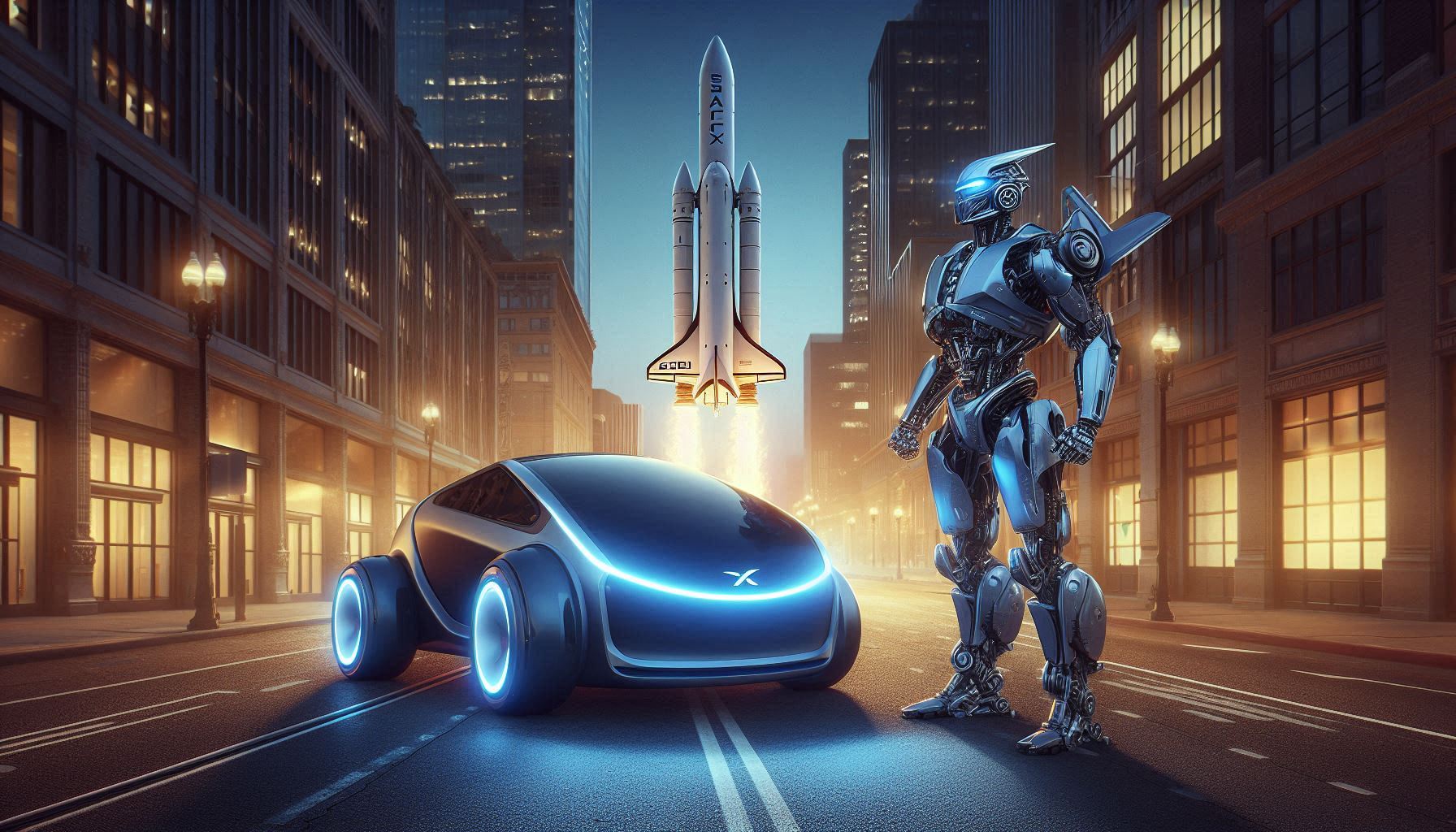
As we enter 2026, two of Elon Musk’s most ambitious companies — Tesla and SpaceX — are stirring strong expectations from the tech world, investors, and future-forward consumers. From robotaxis that could redefine urban transport to Optimus robots that aim to transform labor, Musk has signaled big moves ahead. While specifics remain tightly held, the signals coming from company announcements and strategy shifts give us a picture of what’s likely on the horizon.
Here’s a grounded look at what to expect from Tesla and SpaceX this year.
Tesla’s Robotaxi Push
One of the most talked-about developments is Tesla’s plan to bring fully autonomous robotaxis to the mainstream.
Unlike traditional self-driving cars, Tesla’s robotaxi concept is designed to operate as a service, potentially offering rides without a human behind the wheel.
Why It Matters
If Tesla can launch a safe, scalable robotaxi network, it could:
-
Lower the cost of transport for users
-
Generate recurring revenue beyond car sales
-
Change how cities think about ownership and mobility
Tesla has been refining its Full Self-Driving (FSD) software for years. 2026 may be the year it’s paired with robotaxi hardware and regulatory approvals that make large-scale operation feasible.
Optimus Robots — Beyond the Factory Floor
Tesla’s Optimus humanoid robot project has captured attention as a long-term bet on general-purpose robotics. Originally pitched as a way to automate repetitive or dangerous work, Optimus has evolved into a broader concept for robotics across sectors.
What to Watch
In 2026, Optimus could see:
-
Expanded real-world trials
-
Better autonomy and navigation
-
Enterprise partnerships for logistics, warehousing, or service tasks
Optimus isn’t a consumer product yet. But incremental releases, pilot programs, and deeper integration with Tesla’s AI systems could set the stage for broader adoption.
SpaceX — Starship, Starlink and Next Horizons
SpaceX isn’t merely following its existing roadmap; 2026 may be a pivotal year in terms of:
Starship Progress
-
Expanding orbital missions
-
Moving toward regular launches from key sites
-
Supporting government and commercial payloads
Starship remains central to SpaceX’s long-term vision for cargo and human missions. Progress here has implications for international space cooperation and commercial spaceflight.
Starlink Expansion
-
Continued satellite deployments
-
Faster connectivity with evolving hardware
-
Potential new services for global broadband
Starlink’s footprint continues to grow, especially in regions where traditional broadband is limited.
A Balancing Act: Innovation Meets Regulation
Big ambitions come with big challenges. Musk’s companies operate at the edge of current technology and regulatory norms.
For Tesla
-
Autonomous driving regulations will shape rollout timelines
-
Safety and oversight mechanisms must satisfy global authorities
For SpaceX
-
Launch permissions and orbital traffic management remain key
-
Collaboration with space agencies and governments is ongoing
Success in 2026 will be defined not just by technology milestones, but by how these companies work with regulators and society.
What This Means for You
Whether you follow electric cars, autonomous tech, robotics, or space exploration, this year could bring tangible steps forward in each area:
-
Urban mobility may get closer to autonomous, commercial robotaxis
-
Robots could assist in real world jobs beyond research labs
-
Space access might broaden, with more launches and use cases
-
Internet coverage may keep expanding through satellite networks
These aren’t pipe dreams; they are incremental advances backed by ongoing development and considerable investment.