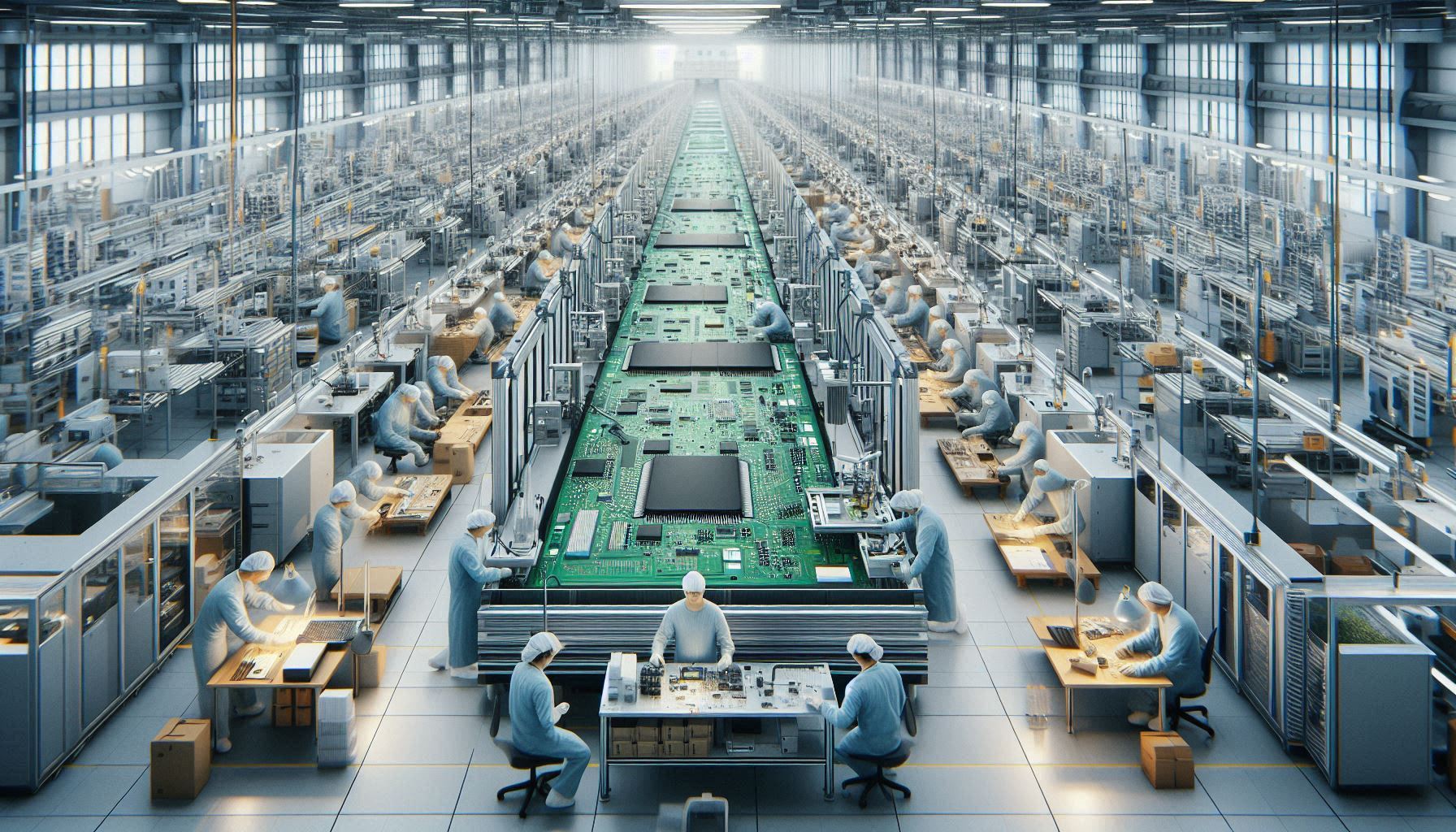
India is taking decisive steps to strengthen its electronics supply chain by expanding manufacturing of printed circuit boards (PCBs), lithium-ion battery cells, and display modules under the country’s Electronics Component Manufacturing Scheme (ECMS). This move aims to make India a more self-reliant hub for core components that power smartphones, laptops, EV batteries and other high-growth tech sectors.
The expanded incentives are designed to attract investment, reduce dependency on imports, and drive long-term industrial growth.
Why This Matters
India’s electronics sector has grown rapidly over the past decade, but the country has traditionally relied on imports for critical components like PCBs, advanced display modules, and battery cells. By offering financial support and policy clarity through the ECMS, the government intends to:
-
Reduce import dependence
-
Boost local manufacturing capabilities
-
Create skilled jobs
-
Enhance competitiveness for Indian suppliers
-
Support the electric vehicle and consumer electronics markets
These areas are vital because they represent core building blocks of modern electronics and EV power systems.
Key Components Targeted
1. Printed Circuit Boards (PCBs)
PCBs form the backbone of electronic systems, providing the physical and electrical connections that allow chips and modules to operate. Strengthening PCB manufacturing locally will help producers of everything from smartphones to industrial electronics.
2. Lithium-Ion Battery Cells
With demand surging for electric vehicles, energy storage systems, and portable devices, local production of Li-ion cells helps reduce reliance on overseas suppliers and offers potential cost advantages for domestic OEMs.
3. Display Modules
Advanced displays — including OLED and high-refresh-rate panels — are central to premium phones, tablets and laptops. Developing local display module capacity gives India a stronger foothold in the global electronics value chain.
What the Scheme Offers
The Electronics Component Manufacturing Scheme expands the earlier incentive framework to cover more high-value components. It provides:
-
Capital subsidies and production linked incentives (PLIs)
-
Support for setting up new units and upgrading existing facilities
-
Encouragement for technology partnerships and infrastructure investments
-
Competitive incentives to make India attractive for global manufacturers
This package is aimed at lowering entry barriers and making large investments viable for both domestic and multinational companies.
Impact on Jobs and Supply Chain
By nurturing component manufacturing within India:
-
Skilled employment can grow in engineering, quality assurance, R&D and advanced production.
-
Backward linkages to smaller suppliers and sub-component makers will strengthen.
-
Local innovation may increase as factories align with manufacturing excellence and domestic demand.
This can help India transition from assembly-centric electronics production toward higher-value manufacturing roles.
What This Means for Consumers
In the medium to long term, expanded local production could:
-
Reduce costs for consumer electronics
-
Improve lead times and supply reliability
-
Support competitive pricing in EV batteries
-
Increase resilience in global disruptions
For smartphone buyers, EV owners and tech ecosystem players, this shift is a strategic win.