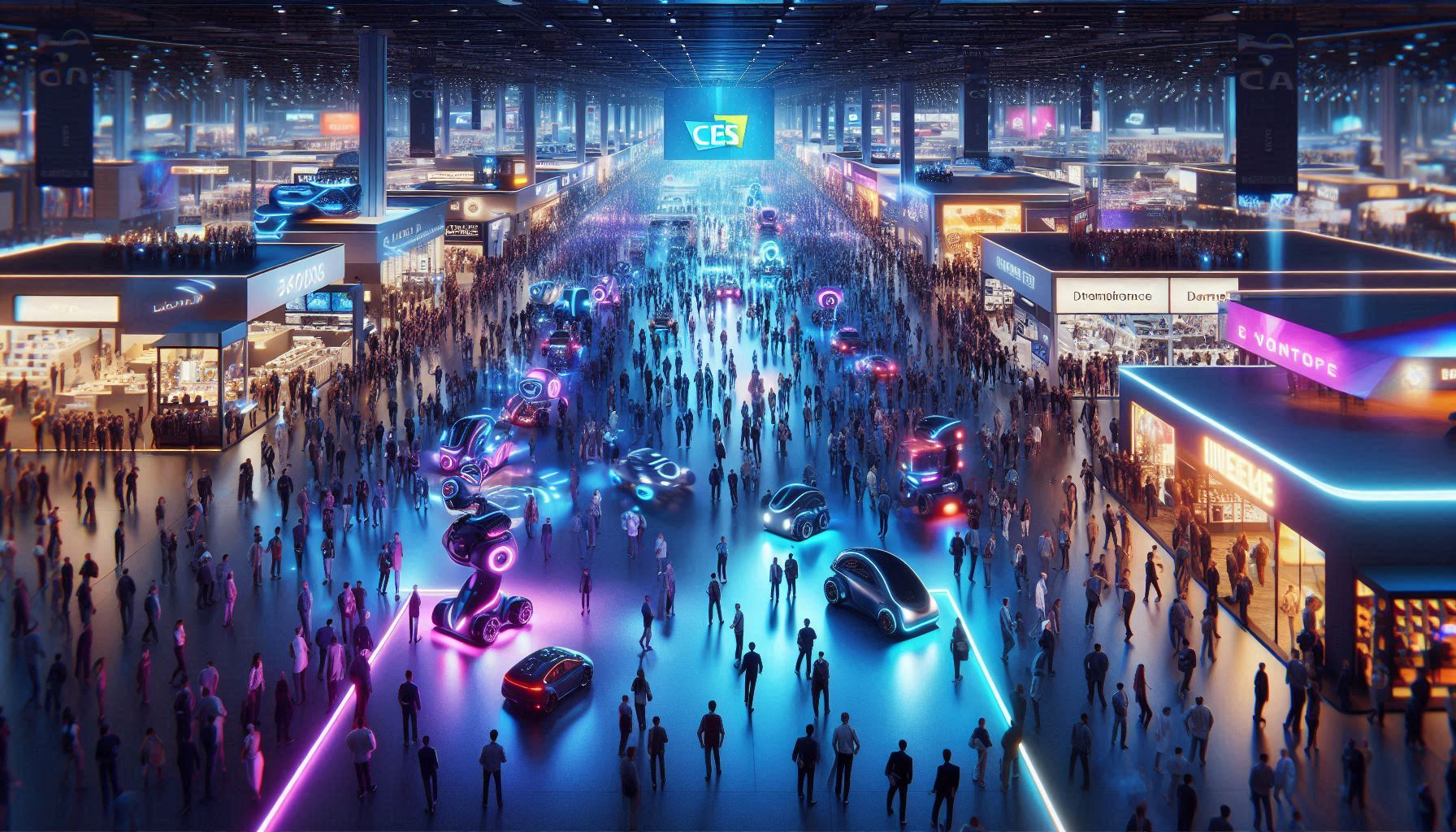
The Consumer Electronics Show (CES) 2026 in Las Vegas is once again center stage for the world’s tech industry — and this year artificial intelligence is dominating the spotlight. The annual gatherings have always blended exciting new products with marketing optimism, but analysts warn that the gap between AI hype and real-world customer experience may become even more noticeable at this year’s show.
CES draws thousands of exhibitors and over 140,000 attendees, and AI is now woven into nearly every category from smart appliances and wearables to automobiles and robots.
AI Everywhere — But Expectations vs Reality
Science fiction often paints AI as autonomous superintelligence, yet the real technology on show is mostly narrow, task-specific AI integrated into gadgets and systems:
-
Translation and language assistance
-
Health monitoring through wearable sensors
-
Smart glasses offering contextual info
-
Robot prototypes still requiring human oversight
Forrester principal analyst Thomas Husson predicts that the divide between AI model capabilities and everyday user expectations will widen at CES 2026 — especially as ambitious demos meet the realities of hardware limitations and energy constraints.
That contrast doesn’t dampen enthusiasm, but it does sharpen the conversation about what is truly ready for consumers versus what remains concept or future vision.
What AI Trends to Watch at CES
Despite the hype caution, there’s plenty of real progress on display:
Smart Everything
Across TVs, phones, appliances and vehicles, manufacturers are embedding AI features that aim to make products more intuitive and useful. Analysts expect “AI-powered smart everything devices” to be a big theme of the event.
Robotics and Physical AI
Humanoid robots and exoskeletons continue to advance, though many still rely on remote human support. CES showcases both household-oriented robots and industrial-focused machines designed to assist with heavy work.
Wearables and Health Tech
AI wearables such as smart rings and glasses are projected to expand their market share, particularly those offering health tracking and contextual intelligence.
AI Chips and Hardware Race
Major chipmakers are using CES to highlight their latest silicon designed for on-device AI, balancing performance and efficiency to overcome power limitations — a priority as AI demand grows.
Where Hype Meets Practical Use
Analysts acknowledge that “AI washing” — products marketed as AI-driven without meaningful capability — will appear at CES, but they also point to genuinely useful innovations powered by advances in machine learning.
Whether it’s smarter batteries, context-aware smart home systems, or AI features in vehicles that assist rather than replace drivers, the event offers a snapshot of where AI adds real consumer value today and where it’s still aspirational.
CES and Global Tech Dynamics
Trade pressures and geopolitical shifts are noticeable at CES, with some vendor participation patterns influenced by broader tech tensions. Nonetheless, CES remains a platform where companies connect, partnerships form, and industry trends crystallize.
For tech leaders and innovators, the event is less about single “must-buy” announcements and more about spotting long-term trajectories in AI, connectivity, automation and hardware integration.
What This Means for Consumers and Industry
If you’re watching CES from afar, here’s what to take away:
-
Expect a mix of real advance and slippery marketing — learn to tell which AI features solve real problems.
-
AI hardware improvements will matter more than flashy demos — battery life, efficiency and responsiveness are key.
-
Wearables and smart home products are becoming more AI-aware — practical benefits start with context and personalization.
CES 2026 reflects a phase where AI continues to expand outward from labs into everyday products, even while the industry works to align expectations with practical user experiences.