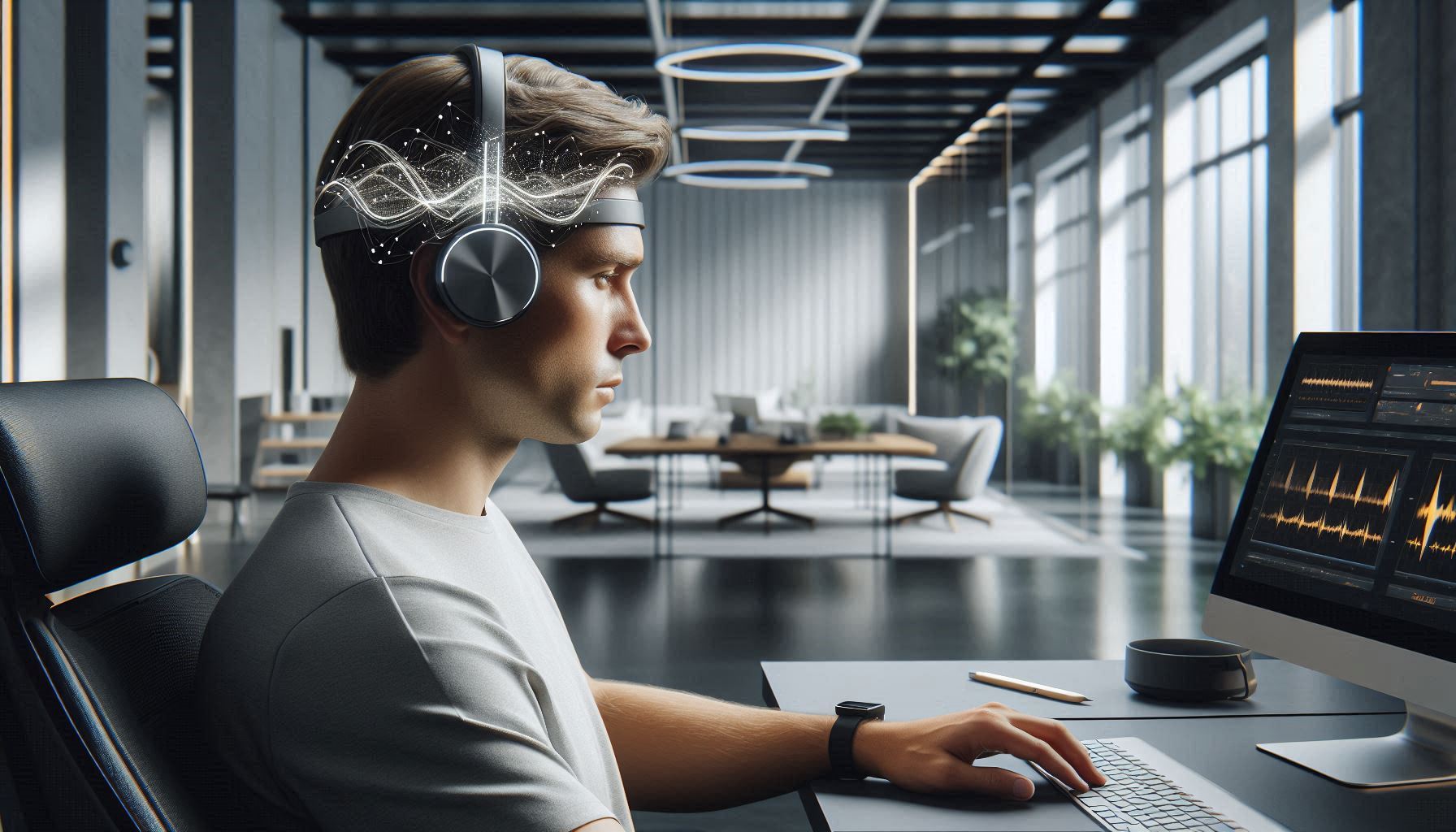
Wearable tech has come a long way from basic fitness trackers and smartwatches. Wired reports that the next frontier in wearables is neurotechnology — devices designed to read, interpret, and interact with brain activity. These so-called “brain gear” wearables use electroencephalography (EEG) and artificial intelligence to go beyond steps and heart rate, targeting sleep improvement, focus enhancement, and even cognitive state tracking.
What Brain Gear Wearables Are
Traditional wearables like Fitbit and Apple Watch measure physical activity and vital signs. The new generation of wearables aims to monitor brain signals instead:
EEG-based headbands and headsets detect electrical activity from the brain.
AI interprets patterns associated with sleep, focus, and cognitive states.
Some devices are purposed to improve sleep quality or aid concentration by delivering targeted feedback or stimulation.
For example, one headset can stimulate pink noise patterns to help wearers fall asleep faster by detecting when they’re transitioning between sleep stages.
Why Brain-Centered Wearables Matter
This shift from body tracking to brain tracking represents a new class of wearable tech that could impact wellbeing in ways earlier devices could not:
Sleep enhancement: Tracking and modulating sleep cycles with neural feedback.
Cognitive performance: Helping users understand when they are most focused.
Mental health insights: Potentially assisting with stress, anxiety, or mood patterns over time.
These functions signal wearables moving deeper into personalized health and performance optimization, bridging the gap between physical and cognitive monitoring.
Who’s Making Brain Gear
Several companies are already innovating in this space:
Elemind: A brain headband that tracks sleep and delivers stimulation for improved rest.
Neurable: EEG-equipped headphones that measure focus and nudge users toward breaks when needed.
Major tech players like Apple have also filed patents for brain-sensing earbuds, and AR/VR platforms like Vision Pro are exploring brain-wave controls.
As neurotech becomes more sophisticated, this category could expand rapidly into mainstream consumer tech.
What to Watch Out For
While brain wearables are exciting, they raise new questions:
Privacy and data security: Brain-wave data is deeply personal and may reveal more about emotional state than other biometric data.
Ethical use: How companies use neural data and what rights users have over it will be a key issue as adoption grows.
Accuracy and efficacy: How reliably these devices interpret brain activity and how useful their feedback is for real outcomes remains an open question.
This tech could be transformative, but it needs thoughtful regulation and user control mechanisms.